


Last couple of months have been a bit of a rollercoaster—so many ups and downs that my stomach is still a little queasy. This had nothing to do with the holidays but with buying a home. We closed in early December and moved in after Christmas. In the meantime, we made updates to brighten the house’s Bela Lugiosi vibe. Picture slate-grey walls facing black forest corners, thick brown carpet, window treatments slicing the sunlight. We’re now in, up to our gills with projects we’ll be tackling for months, boxes to unpack, shit to take care of.
I love the house, the neighborhood, and owning a home. But moving is also a disorienting experience. It’s like inhabiting a new body that you’re not yet used to. The layout is unfamiliar, routines are thrown off, the furniture placement needs to be reconfigured, and the paintings need to find the right walls. All the stuff I brought with me, including myself, needs to adapt to the place. Even my old writing desk feels like it belongs to someone else.
And so, as the new year rolled in, hair covered in house paint, I was reminded that just as every space requires a unique approach, the writing process is similar. Every poem is a space unique unto itself. When writing a new piece, we’re filled with a sense of possibility but also this unease from not knowing yet whether things will work out. They might not. An early draft of a poem or story doesn’t yet have a voice, it hasn’t realized itself yet. My point is: the work is in the arranging and rearranging, in trying and failing, then trusting something will click into place and we’ll recognize “home” or “poem” when we find it.
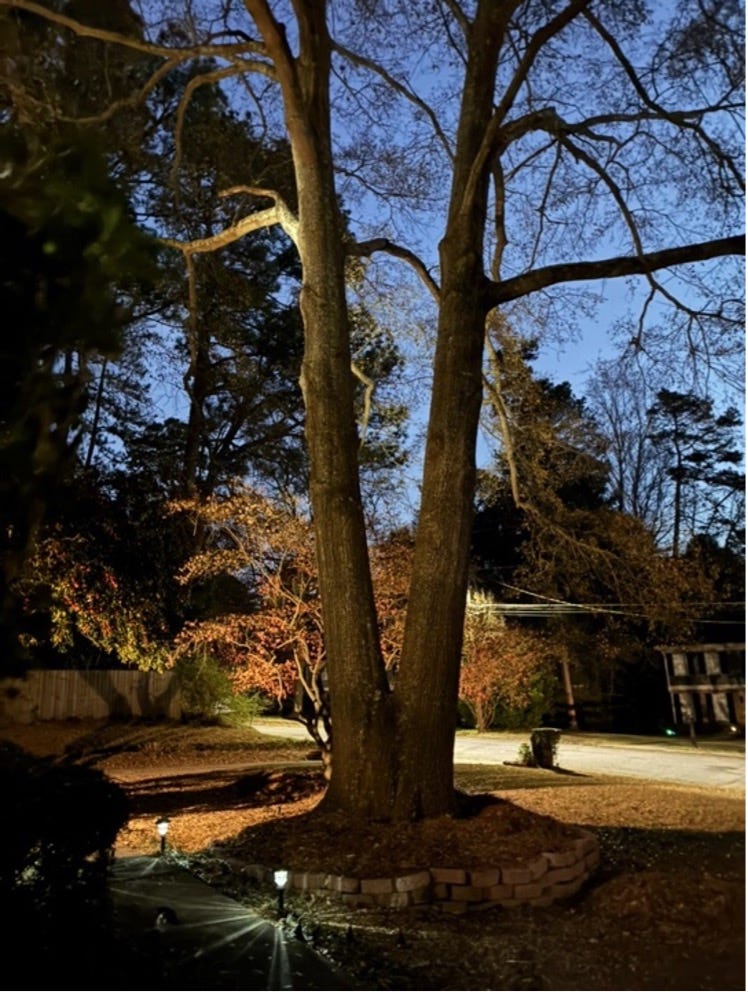
Finding this house took nearly two years, two years of false starts, completely recalibrated expectations and going to open houses like it was my job. (I did get to know the city a whole lot better, so that’s a plus!) What finally worked? Letting go of the initial vision and trusting that despite the numerous disappointments, we’d figure it out and the right place would appear. That’s precisely how writing works, too. Drafts ring hollow like a vacant home until things click into place and the poem starts breathing.
With all this busyness, my writing and painting (including posting on Substack) had to be put on the back burner. As I now set up my workspace and art studio, I look forward to a new normalcy and a new routine. And for that, I realize I also need a creative reset. Maybe you need one too. Sometimes a manuscript needs a fresh approach. Or maybe you’re tired of writing the same type of poem and want to go in a new direction, take a new risk.
It’s mid-January now, a time when many new year’s resolutions are reversed. I’m a commitment-phobe so hard resolutions are not my speed. Resolutions also tend to be based on outcomes (finding a publisher) or are unrealistic (completing an entire book in a year). The truth is that there’s no guarantee that publishers will pick up my work or that every poem I draft will work out. In fact, more don’t than do. What I’m a fan of is a creative reset every so often.
And a simple one I like is working in collage. Collage is forgiving, immediate, and gets you out of your head. For most of us writers whose identity isn’t tied to collage-making, we can play with it the way a child plays, for fun and without the pressure of outcome. All we need are simple materials (a surface, any paper and glue). Good music and a nice beverage helps, too.
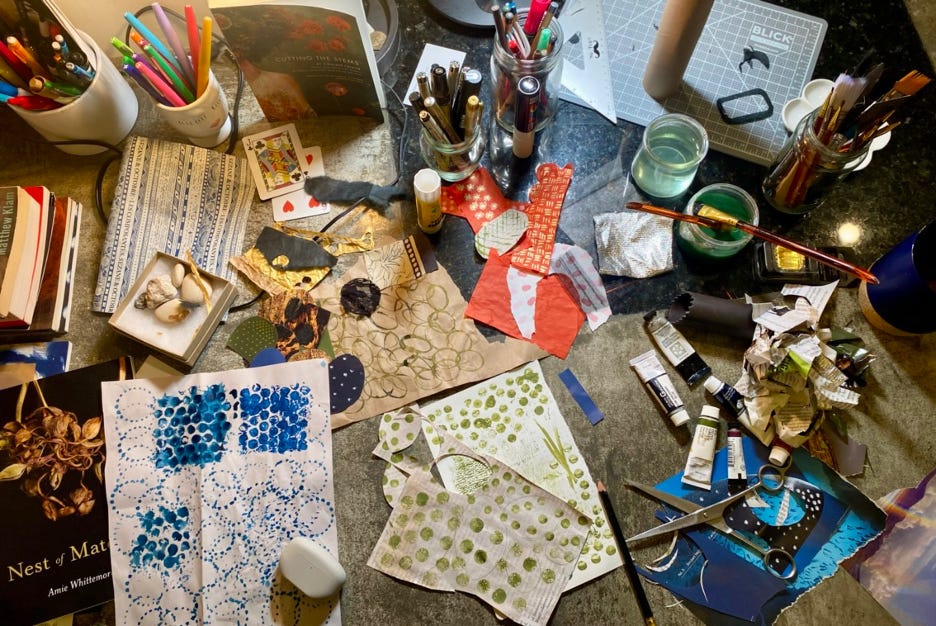
Another thing I like about collage is that some of the core design principles that work in any visual piece also work in poetry: there needs to be a focal point, some repetition of an element, and tension through composition or contrast (of color or texture). When we keep these simple principles in mind, we can collage simply for the sake of having fun. And that’s where the magic is. The high comes from making something new, from not thinking about words and ideas. There’s the lightness of an unburdened brain, the tactile pleasure of paper and glue. Playing with visual expression, to my knowledge, is the best way to give our minds a rest from language, from working with words, from writing. Once we get our batteries filled by making something new that we’re not professionally or personally deeply attached to, we can go back to writing with our shoulders more relaxed.
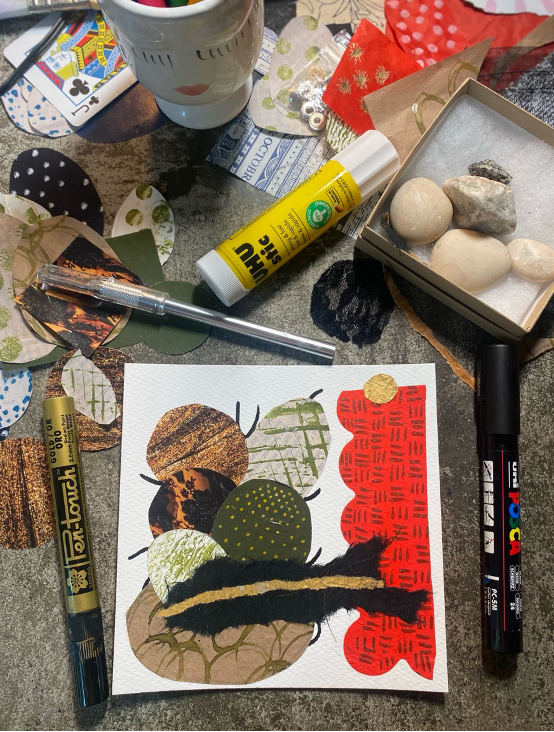
Collage, unsurprisingly, is popular with poets. There’s something about tearing and gluing paper together that helps us see things in a different way. There’s also a lot to be said about taking the time to play, working in a series (you can never make only one collage), mapping the surface, or turning the piece in different directions that helps loosen the proverbial creative muscles. And when our eyes and brains adjust to looking for discovery instead of clinging to the initial vision, that’s a great time to get those cheeks back into the writing seat.
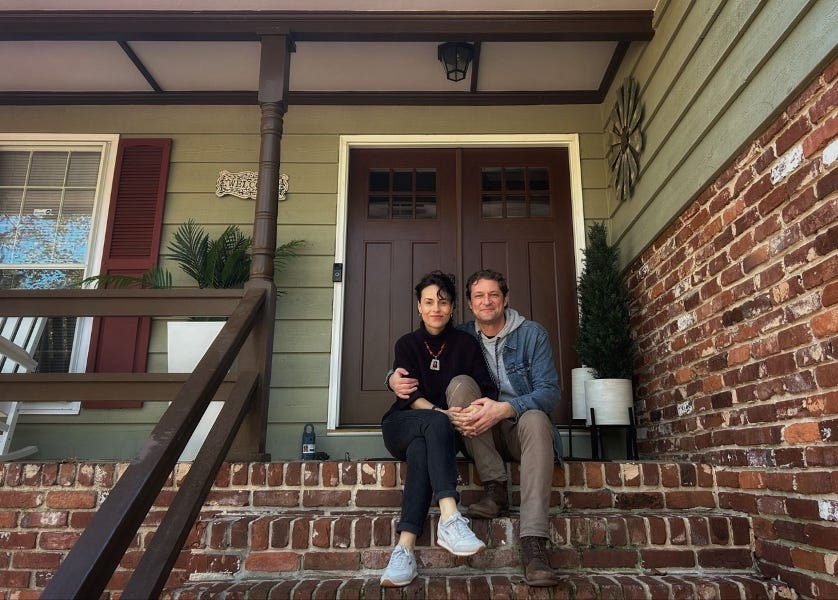
 | A guest post by
|
Congrats on finding your home! I'm convinced every writer should have a visual or musical outlet that we don't take too seriously, or no longer do. Being trained to draw in college still informs my writing process in profound and unexpected ways
Congrats on your new home! I do collage as a hobby, and you're exactly right about the way it allows us to get out of our heads. I find it so relaxing to work intuitively and allow myself not to second guess decisions in the same way that I do when trying to write poems. As you said, it's a great way to rest from language while also experiencing the pleasure of making something new. Thanks for this!